Sense operating demand
Pressure, differential pressure, flow, temperature, vibration and air-quality signals describe the process and equipment state.

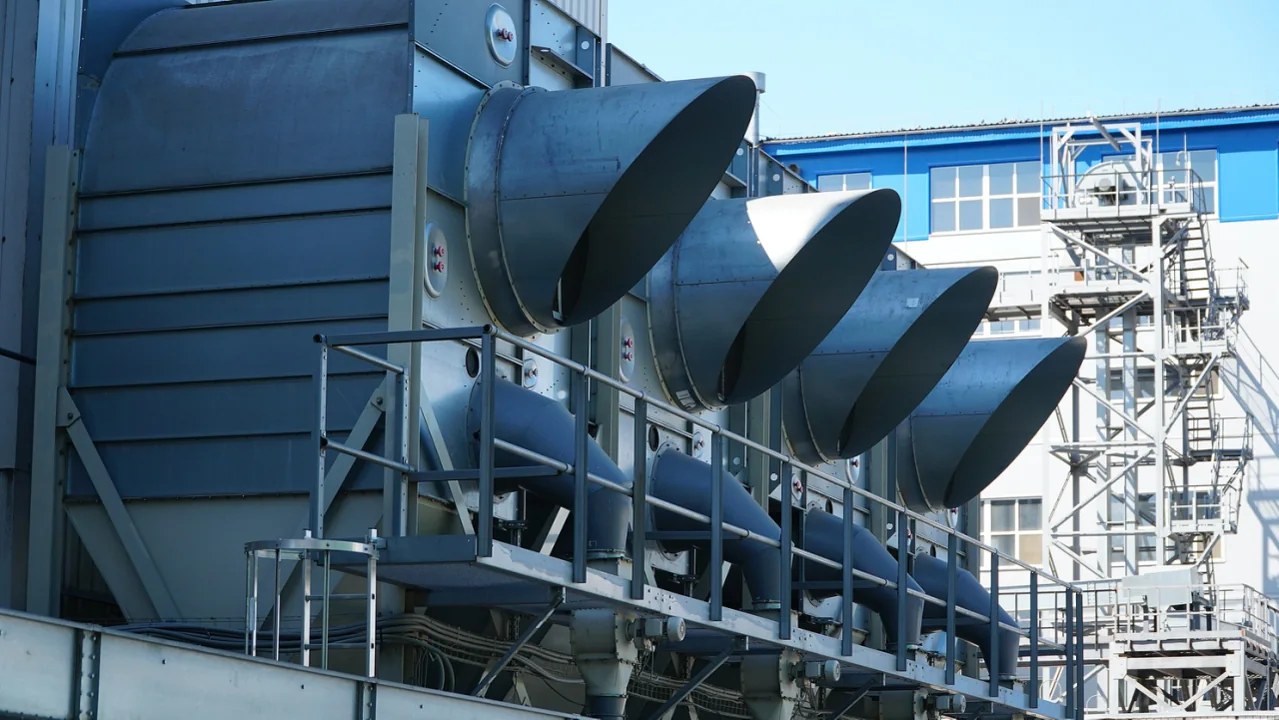
WD200 and WD5100 help airflow and pressure follow real process demand, with smooth starting, flying start, resonance avoidance and plant-level integration.
Production load, furnace conditions, temperature, smoke volume and air quality change continuously. A fixed-speed fan controlled mainly by a damper can keep the motor running fast while useful airflow is restricted.
Wolong combines WD200 low-voltage and WD5100 medium-voltage drives with pressure, differential-pressure, flow, temperature or air-quality sensors, PLC, HMI and SCADA or DCS. The solution scales from individual ventilation equipment to large forced- and induced-draft fans.
Pressure, differential pressure, flow, temperature, vibration and air-quality signals describe the process and equipment state.
Built-in PID or the plant controller compares feedback with the required airflow, pressure or process condition.
WD200 or WD5100 changes motor speed instead of relying only on throttling, while respecting minimum speed and resonance bands.
PLC and DCS logic manage dampers, duty and standby fans, interlocks, alarms, trends and remote operation.
Configure motor control, process feedback, mechanical limits and plant communications around the actual fan and duct system.
Control static pressure, differential pressure, flow, temperature or air quality. WD200 includes PID; WD5100 can work with local or PLC/DCS closed-loop control.
Controlled acceleration reduces starting current and mechanical shock. Ramp time is selected from fan inertia, motor thermal limits and process requirements.
Track a fan that is still rotating from natural draft, process flow or inertia before taking control, with restart logic engineered for the duty.
Skip frequencies and controlled transit help avoid identified mechanical resonance zones. Final bands must be confirmed by field vibration testing.
Plant logic can stage, rotate and bypass fans, verify damper positions and prevent reverse flow or unstable pressure.
Modbus and optional industrial networks connect operating data, alarms and commands with HMI, SCADA, DCS or building systems.
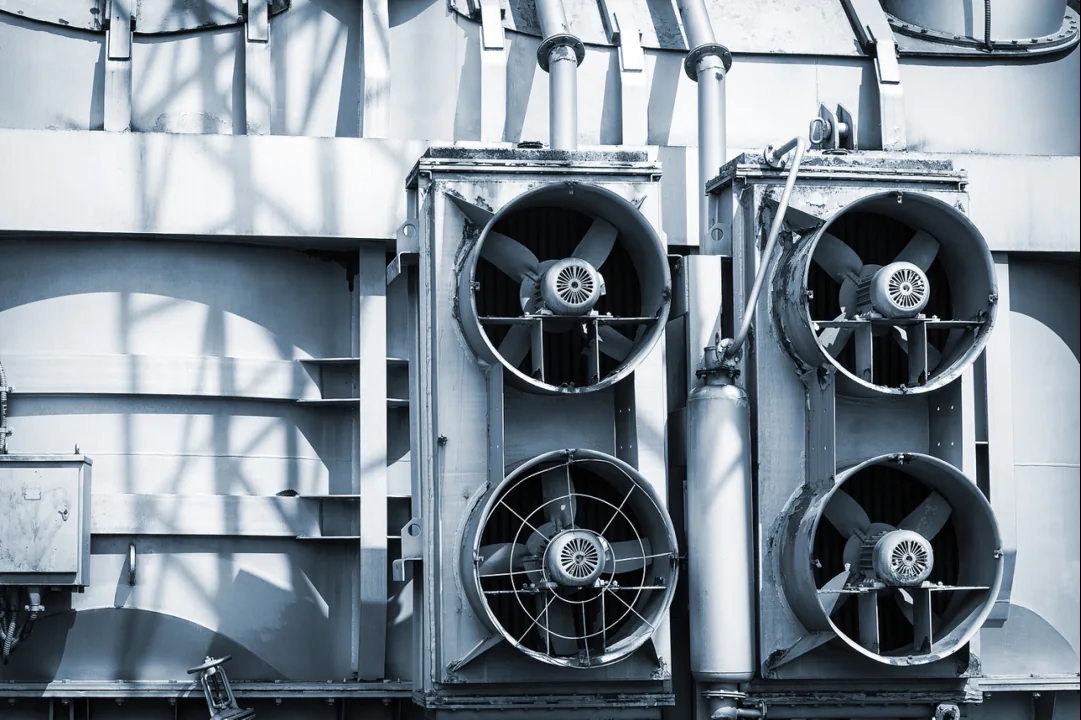
The architecture separates sensing, drive, coordination and monitoring so each project can add only the functions it needs.
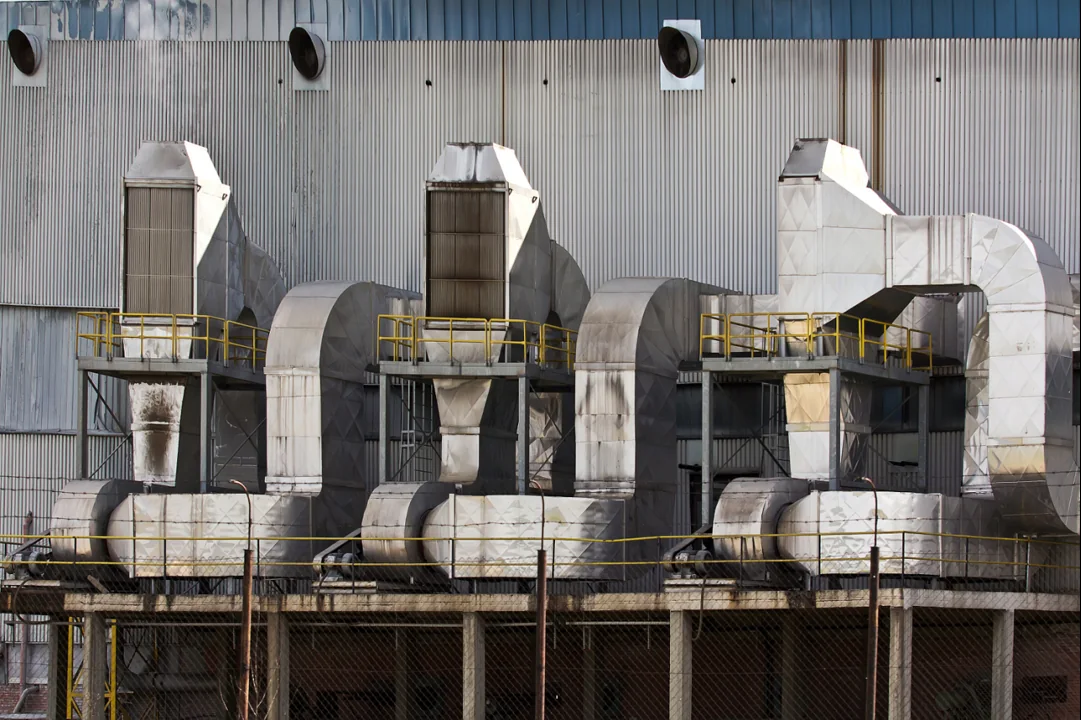
Forced draft, induced draft, dust collection, flue-gas treatment, kiln cooling and high-temperature exhaust.
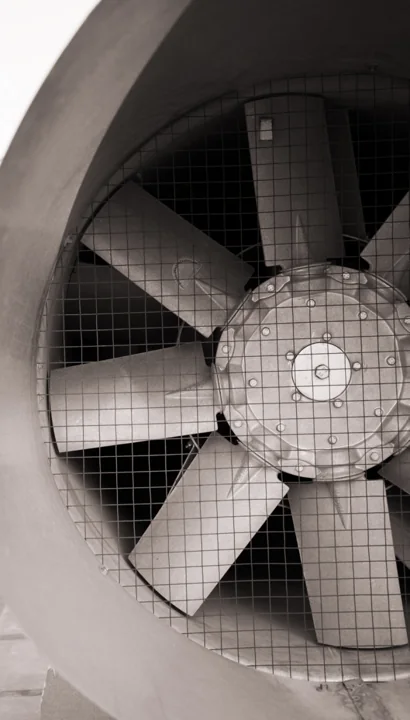
Main and local ventilation with remote monitoring, standby switching and project-specific emergency strategies.
Supply, exhaust, cooling-tower and air-handling fans coordinated with temperature, pressure and air quality.
Match fan speed to current demand and create room for energy optimization compared with permanent high-speed operation.
Controlled ramps reduce electrical and mechanical shock on motors, couplings, impellers and ductwork.
Station logic balances runtime, coordinates standby equipment and improves fault handling.
Trends, alarms, vibration and temperature data support inspection and maintenance planning.
Final selection must be checked against motor current, fan and system curves, minimum speed, resonance zones, ambient conditions, bypass requirements and project standards.
Large-inertia starting time, motor self-cooling, minimum fan speed, vibration zones, damper position and process interlocks must be verified during application engineering. WD5100 can be configured with modular power cells, optical communication, cell bypass and power-loss recovery functions for continuity-critical systems.
Fire or emergency-smoke modes, forced-operation limits and protection bypasses are system-level decisions subject to the project design and local regulations.
At similar system conditions, reducing speed can reduce required shaft power more effectively than damper throttling. Actual savings require fan and system curves plus operating data.
WD200 is normally selected for 380–480 V fans; WD5100 is engineered for 6 kV and 10 kV large fan motors. Inertia, minimum speed and process continuity must also be checked.
Flying start can identify current speed and direction before taking control. Motor data, rotation direction and process safety must be validated first.
No. Results depend on load profile, damper position, static-pressure share, fan and motor efficiency, operating hours and control settings.
Share fan and motor data, airflow and pressure range, inertia, operating profile, resonance information, dampers, number of fans, bypass needs and control-system requirements. Our team can help define the drive and system architecture.