Generate at variable speed
A diesel engine drives a high-frequency permanent-magnet generator and produces variable-frequency three-phase power.

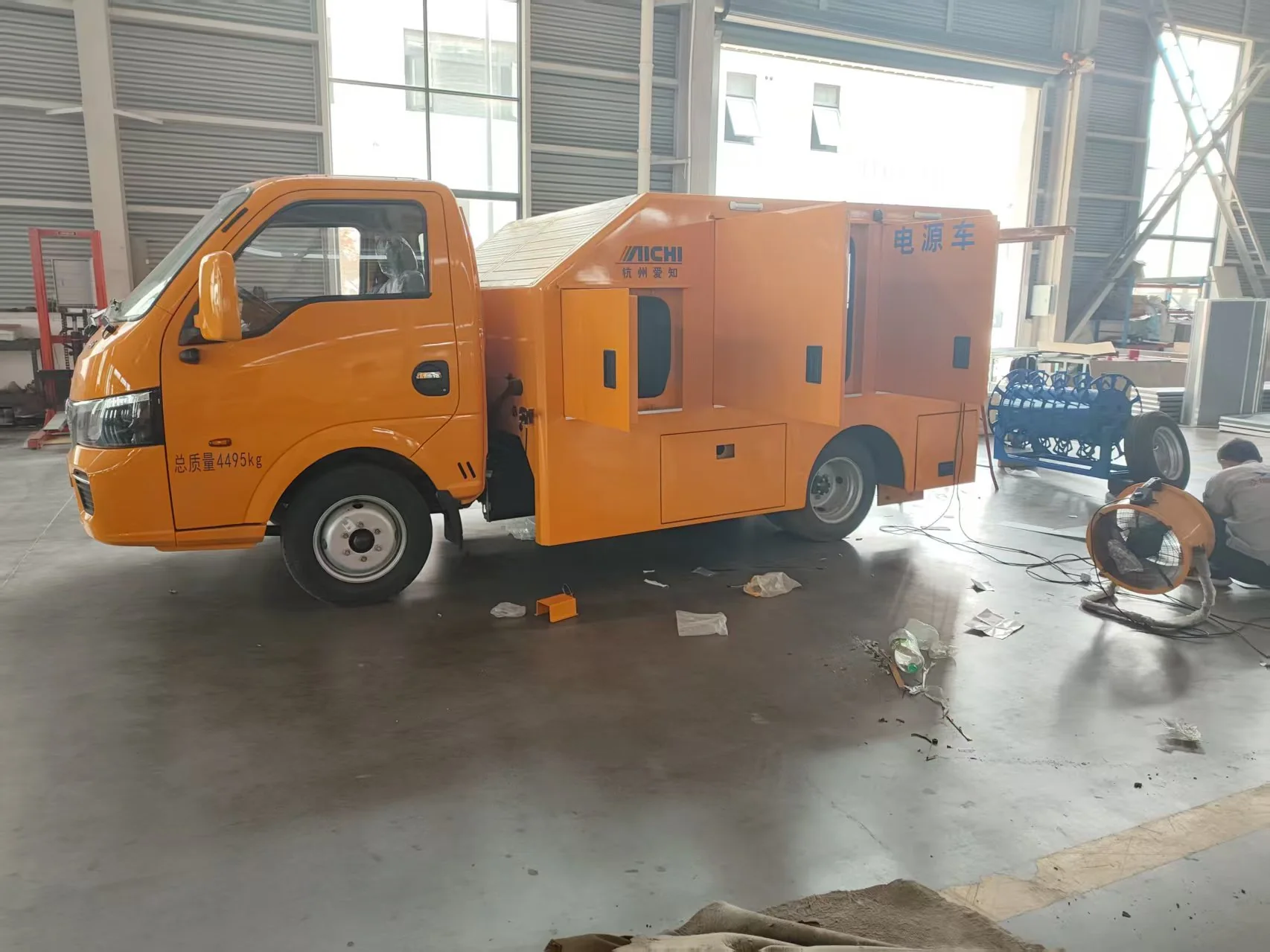
WD610A converts variable-frequency generator output into stable three-phase four-wire 400 V, 50/60 Hz power, with grid-connected, parallel and island operation engineered for the project.
Emergency power vehicles must deliver stable electricity to communications, rescue, utility support and other critical loads while working within strict vehicle space and payload limits. A conventional low-speed generator set can make output frequency directly dependent on engine speed.
WD610A controls current, torque and DC-link energy on the generator side, then regulates voltage, frequency and phase on the load or grid side. This allows a high-frequency permanent-magnet generator to operate over a more flexible speed range while users receive standard utility-frequency power.
A diesel engine drives a high-frequency permanent-magnet generator and produces variable-frequency three-phase power.
WD610A regulates generator-side voltage, current and flux, supporting stable conversion across the operating range.
The DC link separates engine and generator speed from the output frequency required by user loads or the grid.
The load/grid side produces three-phase four-wire 400 V, 50/60 Hz power with project-specific mode and protection logic.
Power conversion, mode control, cooling, protection and vehicle integration are engineered as one system.
Standard generator-side input covers three-phase 350–450 VAC and 50–550 Hz. Other frequencies require target engineering.
The output side forms three-phase four-wire 400 V power at 50 or 60 Hz for vehicle distribution and external loads.
Virtual synchronous generator, pre-synchronization and droop strategies support grid-connected, parallel and off-grid/island modes.
The platform covers 50–300 kW. 85–200 kW uses an integrated structure; the 300 kW version uses an upper/lower split arrangement.
Silicon-carbide power devices and water cooling support high power density and reduce the thermal burden inside the vehicle enclosure.
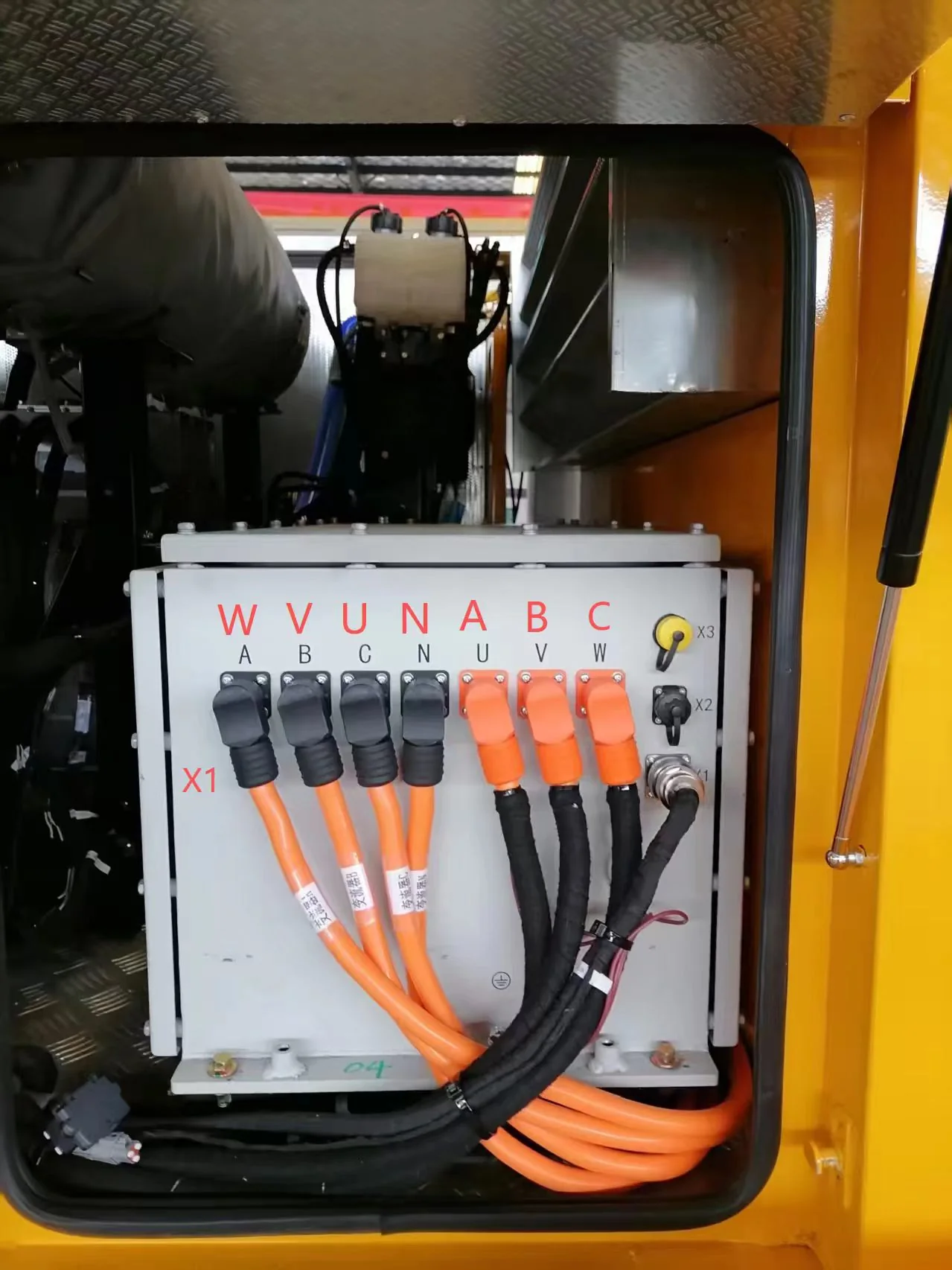
RS485, CAN, analog and digital I/O, voltage sampling, encoder and operator interfaces support commissioning and vehicle controls.
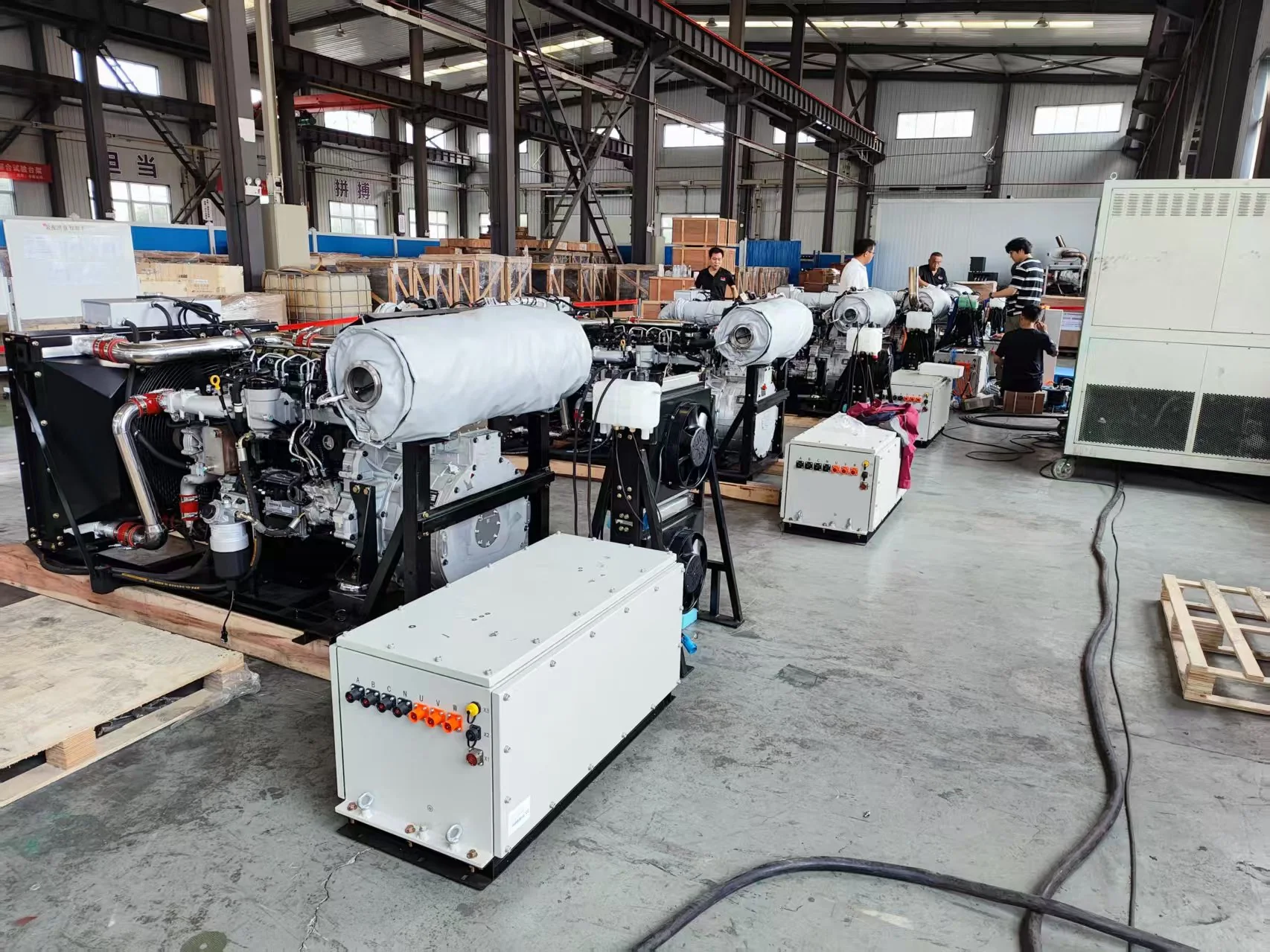
The final solution coordinates the engine, high-frequency generator, WD610A, liquid-cooling loop, distribution equipment and vehicle control system.
Mobile electricity for network repair, disaster response, major events and temporary construction.
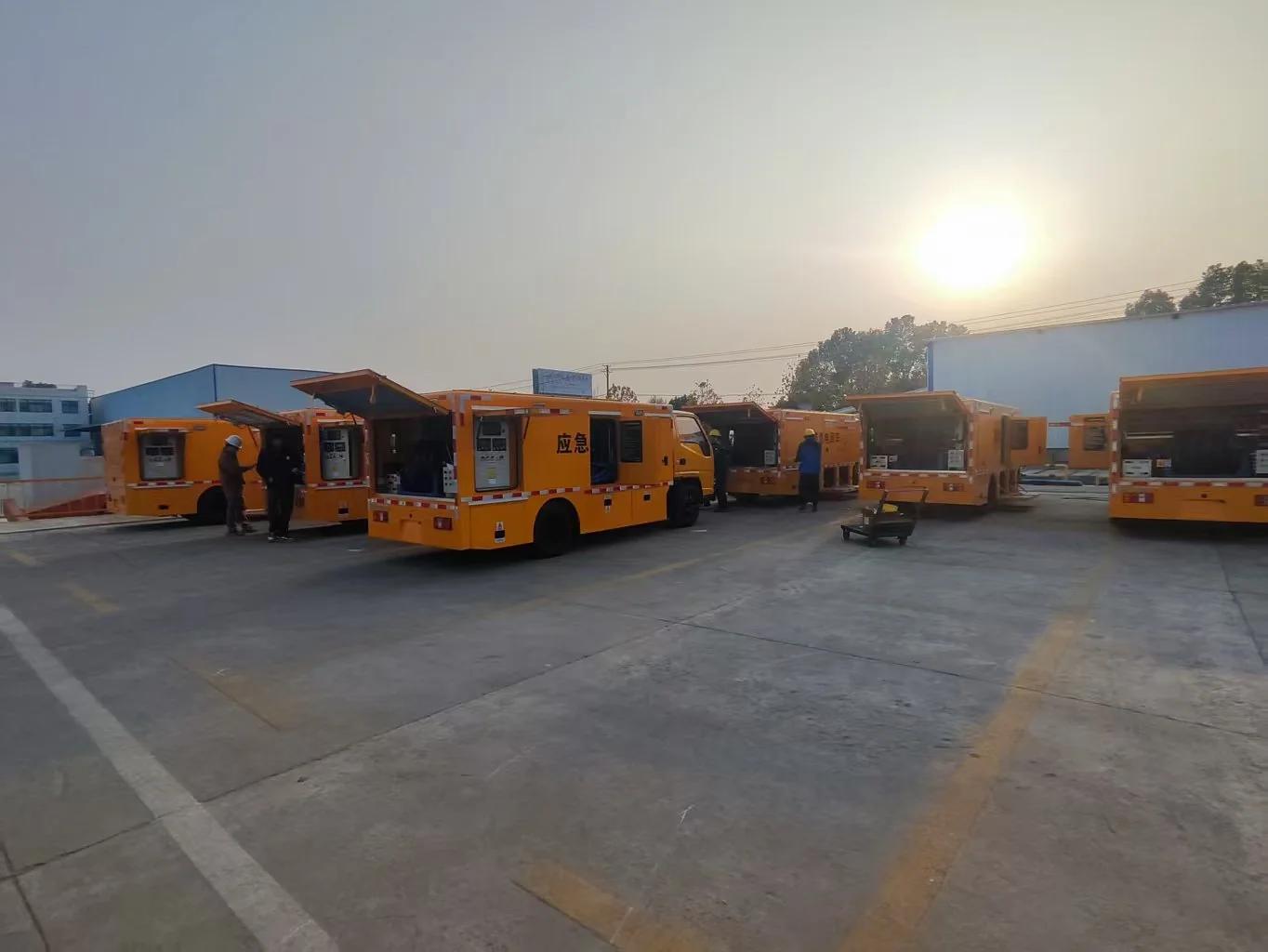
Rapid deployment for base stations, equipment rooms and critical communications systems.
Project-specific integration for ground emergency systems, shipboard auxiliary power and hybrid generation or storage platforms.
High-frequency permanent-magnet generation can help reduce generator-set size and weight, subject to complete system design.
Decoupling engine speed from output frequency creates room to operate around real load and efficiency requirements.
Support independent loads, parallel sources or grid interaction through engineered control and protection.
Communications, waveform monitoring and fault records help commissioning and remote support.
Model, overload, environment, grid code, switchgear and optional functions must be confirmed in the final technical agreement.
WD610A uses a 125°C-class DSP, high-junction-temperature SiC devices, film DC-link capacitors, conformal coating, vibration isolation and liquid cooling. Source documentation also lists EMC immunity tests and a 72-hour uninterrupted full-load test.
Grid-connected projects additionally require switchgear, synchronization detection, anti-islanding and protection aligned with local grid requirements.
No. It is a permanent-magnet synchronous generator converter for diesel-driven mobile, shipboard and stationary generation systems.
A high-speed generator's voltage and frequency change with speed. The converter decouples that variable input from the stable 400 V, 50/60 Hz output required by loads.
Yes, with project-specific VSG, pre-synchronization, droop, switchgear, anti-islanding and electrical protection design.
It uses an upper/lower split, narrow structure with separable control and heavy power components, mistake-proof connectors and a series cooling path.
Share the required power, load profile, generator voltage and speed range, operating modes, vehicle space, environment, cooling and grid requirements. Our team can help define the WD610A rating, system topology and integration scope.