Define the operating envelope
Confirm voltage, power, base and maximum frequency, speed range, torque profile and process duty.
WD400-HS, WD600 and WD5100-HS support stable, precise and scalable control for high-speed induction and permanent-magnet motors.
High-speed centrifugal compressors, magnetic-bearing blowers, vacuum pumps, MVR compressors, refrigeration systems and machine-tool spindles demand more than a higher output frequency. Control bandwidth, field weakening, bearings, critical speed, cooling, harmonics and safe stopping all affect performance.
Wolong selects the drive platform and control architecture around motor voltage, power, maximum speed, base frequency, field-weakening range, bearing type and energy flow. The result is an engineered system rather than a frequency-only product selection.
Confirm voltage, power, base and maximum frequency, speed range, torque profile and process duty.
Choose induction or permanent-magnet motor control, parameter identification, encoder feedback and field-weakening strategy.
Coordinate bearings, rotor dynamics, cooling, cable, filtering, grounding and process interlocks.
Validate acceleration, critical-speed zones, vibration, overspeed and controlled or emergency stopping logic.
Configure the platform around the real motor, mechanical system and process—not frequency alone.
WD400-HS and WD600 support 0–3000 Hz applications. WD5100-HS extends engineered medium-voltage high-speed control to 1200 Hz.
V/F, sensorless vector control and closed-loop vector control are selected according to motor type, feedback and dynamic requirements.
Low- and medium-voltage platforms support induction and synchronous or permanent-magnet motors for conventional, air-bearing and magnetic-bearing systems.
WD400-HS covers 220/380 V, WD600 serves 690 V high-power systems, and WD5100-HS covers 3, 6 and 10 kV projects.
Encoder and industrial-network options support integration with magnetic-bearing controllers, PLC, HMI, SCADA and DCS systems.
Overspeed, current, voltage, temperature, vibration, bearing, cooling and process signals can be coordinated into project-specific interlocks.
Removing or simplifying a speed-increasing gearbox can improve system compactness and reduce transmission components, but the final design must also account for rotor dynamics, bearings, motor insulation and safe shutdown.
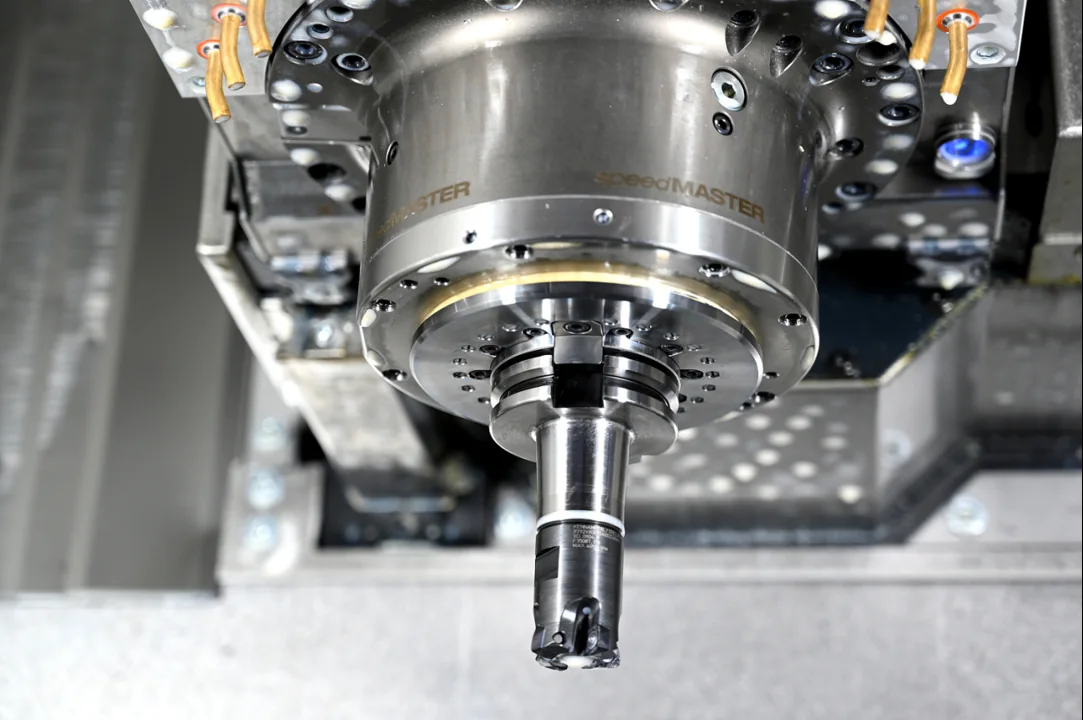
High-frequency output, a wide field-weakening range and encoder feedback for five-axis machining, grinding and precision manufacturing.
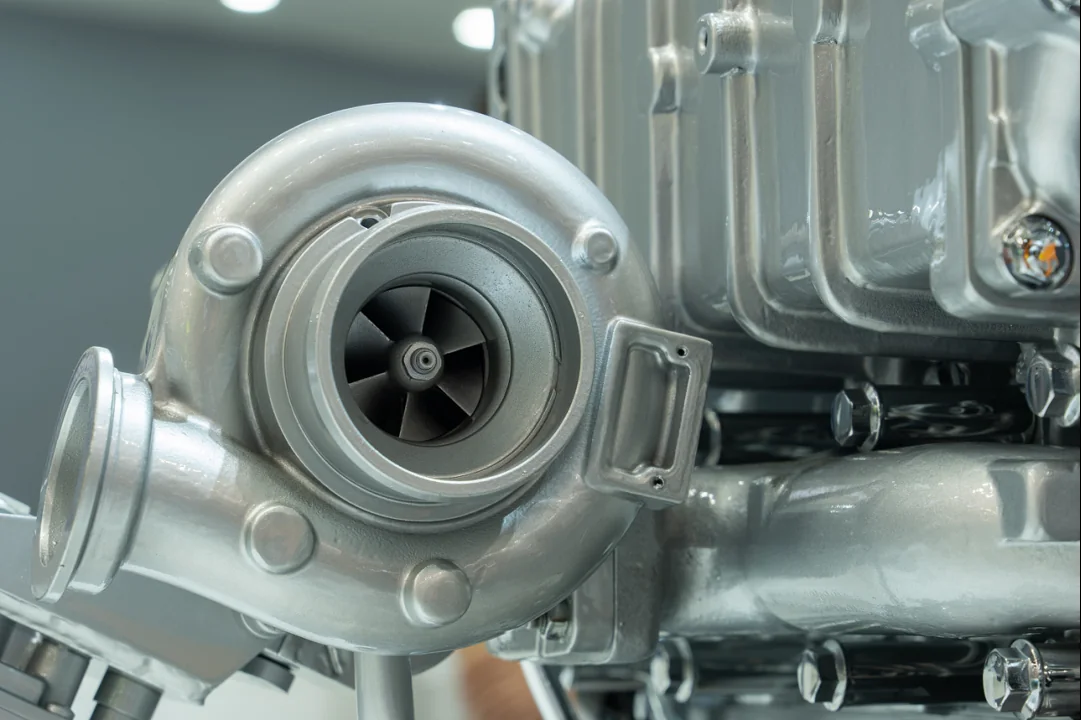
Engineered control for high-speed compressors, magnetic- or air-bearing blowers, MVR and refrigeration compressors.
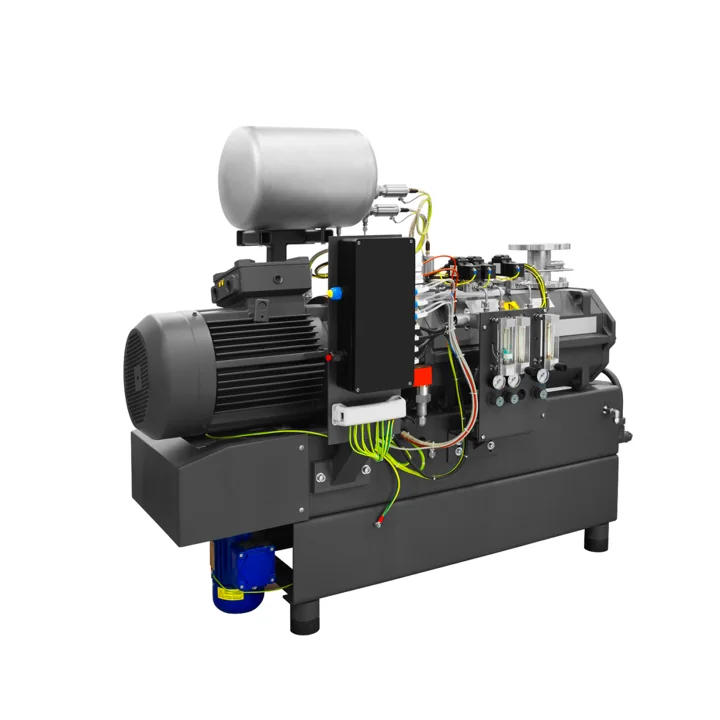
Application-specific drive design for vacuum pumps, flywheel energy storage, shaft generation and other high-speed systems.
Create the conditions to remove or simplify gearboxes, couplings and related lubrication systems.
Control flow, pressure, vacuum or spindle speed around actual operating demand.
Use one engineering approach across low voltage, 690 V and medium-voltage systems.
Bring drive, feedback, alarms and trends into the machine or plant control system.
Ratings shown are portfolio-level references. Frequency derating, feedback, communications, cooling, filtering and two- or four-quadrant operation must be confirmed in the technical agreement.
Final engineering checks motor insulation, back EMF, field weakening, bearing control, critical speed, vibration, cable and filtering, heat management and stop strategy. The drive then exchanges commands, status, alarms and trends with the machine PLC, HMI or plant DCS.
Functions and configurations vary by model and project. Confirm the final specification with Wolong application engineering.
It requires a higher output-frequency range, faster control and sampling, suitable motor algorithms, feedback options and coordinated high-speed protection.
Start with motor voltage and power: WD400-HS for 220/380 V, WD600 for 690 V high-power equipment, and WD5100-HS for 3/6/10 kV systems. Then verify frequency, field weakening, bearings and quadrant requirements.
Yes, subject to project verification. The bearing controller, cooling, position or vibration signals, backup stopping energy and safety interlocks must be designed together.
No. Direct drive is most attractive for high-duty systems where transmission losses and maintenance are material. The business case must be calculated for each project.
Share motor voltage and power, base and maximum frequency, speed and torque curve, bearing system, cooling, cable length, energy-flow direction and control requirements. Our team can help define the drive, feedback and protection architecture.