Sense the process
Pressure, flow, water level, differential pressure and equipment status provide the real-time operating picture.

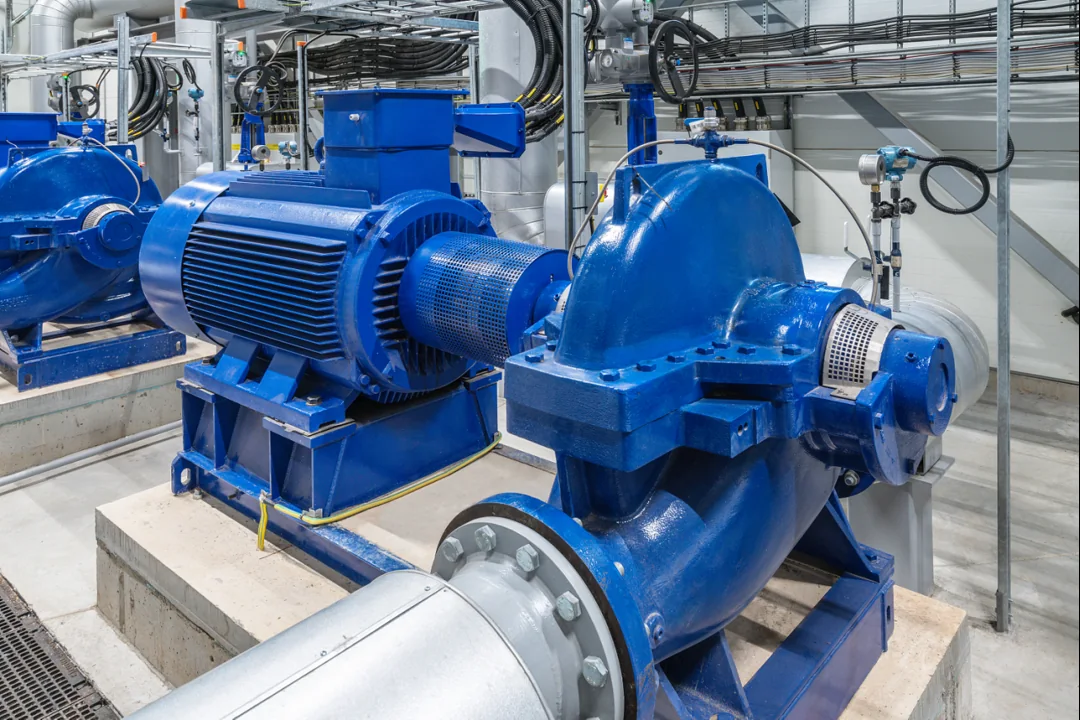
WD200 and WD5100 create a continuous low- to medium-voltage platform for more efficient, stable and manageable pressure, flow and level control.
Water demand, pressure, flow and level can change continuously. Fixed-speed operation, throttling and frequent direct starting can add energy losses, mechanical stress and pressure fluctuation.
Wolong combines WD200 low-voltage drives and WD5100 medium-voltage drives with sensors, PLC, HMI and SCADA or DCS systems. The architecture can scale from a single pump to a coordinated station.
Pressure, flow, water level, differential pressure and equipment status provide the real-time operating picture.
Built-in PID or an upstream controller compares feedback with the required setpoint and operating strategy.
WD200 or WD5100 changes motor speed so output can follow current water demand without relying only on throttling.
PLC, HMI and industrial communications bring multiple pumps, alarms, trends and remote operation together.
Configure the drive, motor control, process feedback and station network around the pump duty and project environment.
Control pressure, flow, level or differential pressure. WD200 includes PID control, while WD5100 can work with local or upstream closed-loop control.
WD200 covers three-phase 380–480 V and 0.75–710 kW. WD5100 extends the platform to engineered 6 kV and 10 kV pump systems.
Controlled acceleration and deceleration reduce starting current and mechanical shock. Deceleration must be coordinated with the hydraulic transient analysis to manage water-hammer risk.
WD200 supports induction and permanent-magnet synchronous motors. WD5100 supports induction, excited synchronous and permanent-magnet synchronous motors.
A PLC or station controller can stage pumps, balance runtime, maintain a common setpoint and coordinate duty and standby equipment.
Standard and optional communication interfaces connect pump data, alarms and commands to HMI, SCADA and DCS platforms.
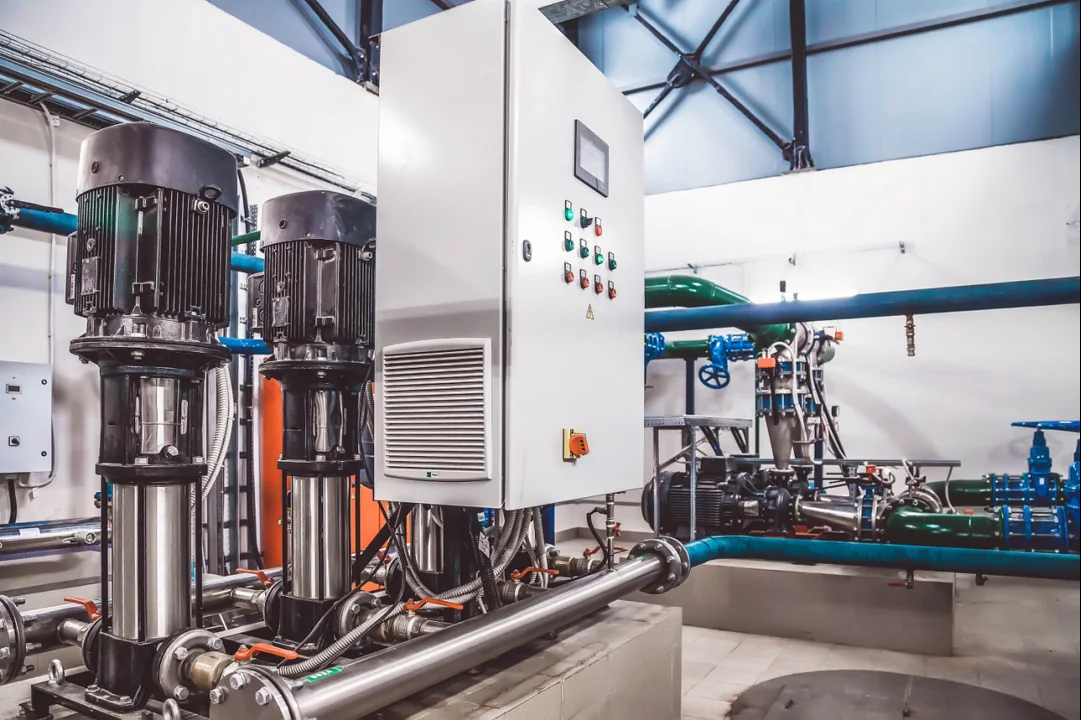
The solution is organized in four layers so each project can add only the functions it needs while preserving a clear path for future expansion.
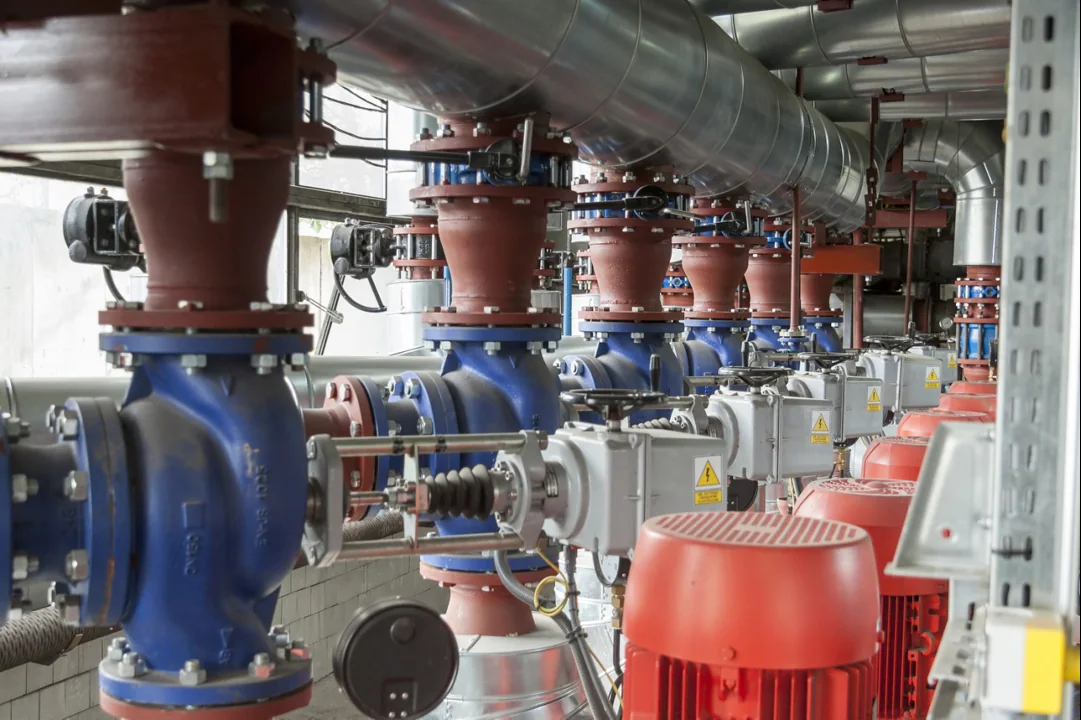
Pressure control, pump staging and station monitoring across changing demand periods.
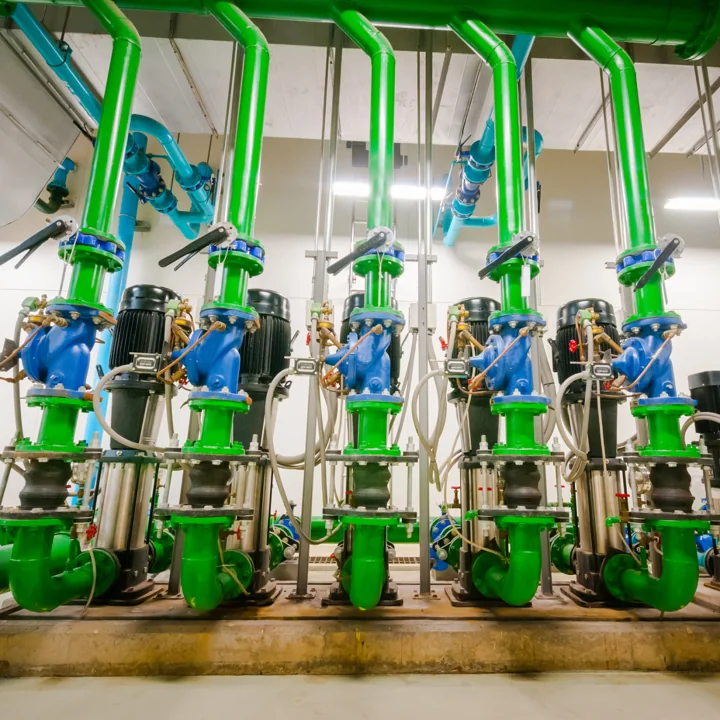
Flow and level control for lift stations, process pumps and treatment facilities.
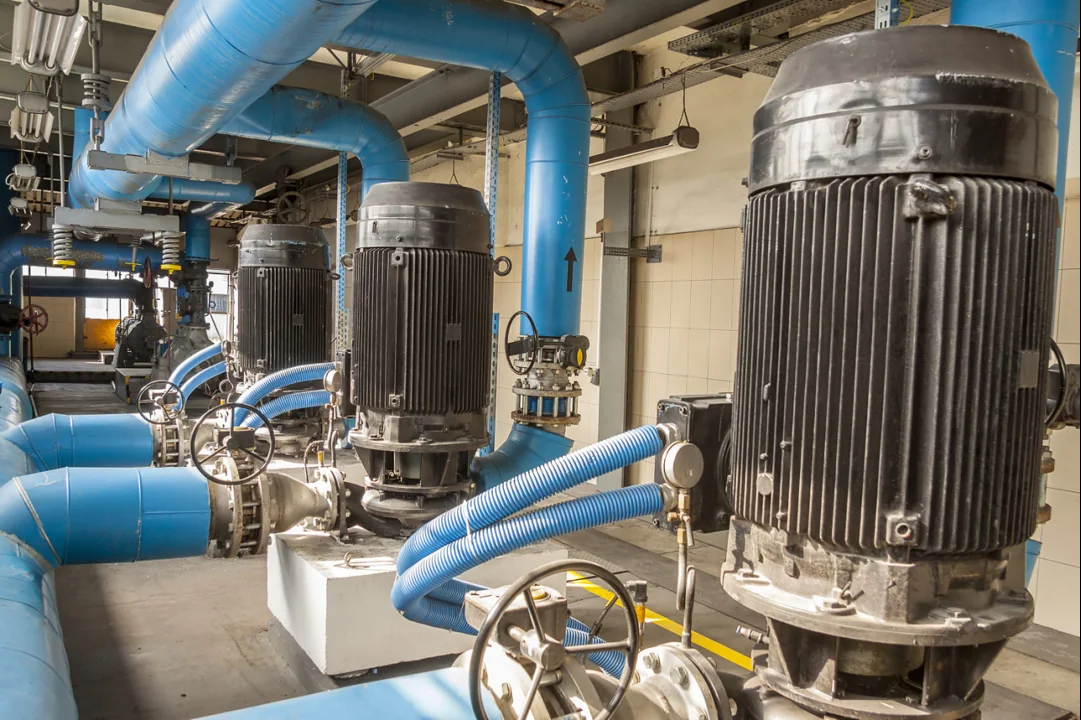
Demand-matched cooling and process-water circulation for industrial plants.
Adjust pump speed around the required process output and reduce unnecessary fixed-speed throttling.
Controlled starting and stopping reduce electrical and mechanical shock to motors, pumps and pipework.
Station-level sequencing can distribute operating hours and coordinate duty and standby pumps.
Operating data, trends and alarms improve visibility for inspection and maintenance planning.
Final selection must be checked against pump curve, motor data, supply voltage, control method, hydraulic transients, ambient conditions, altitude and project standards.
WD200 combines wide-voltage operation, an independent air duct, conformal coating and drive protections. WD5100 uses cascaded power cells, optical communication and modular power units, with project functions such as cell bypass, flying start, restart after power loss and low-voltage ride-through.
Functions and ratings depend on the selected model and project configuration. Confirm the final specification with Wolong application engineering.
Choose primarily by motor voltage and rating. WD200 covers low-voltage pump systems; WD5100 is engineered for 6 kV and 10 kV motors.
There is no fixed percentage. Savings depend on the pump curve, operating hours, existing control method and how much flow or pressure varies.
Yes. A PLC or station controller can stage several pumps and coordinate their speed around one pressure setpoint.
Controlled ramps can help, but the final deceleration profile must be selected with the pipe network and hydraulic transient analysis.
Share the pump curve, motor voltage and rating, required pressure or flow range, duty cycle, number of pumps and control-system requirements. Our team can help define the drive, feedback and station architecture.